Original: $5.23
-70%$5.23
$1.57The Story
Country of Origin - South America
Average Weight - 260 Grams
Introduction
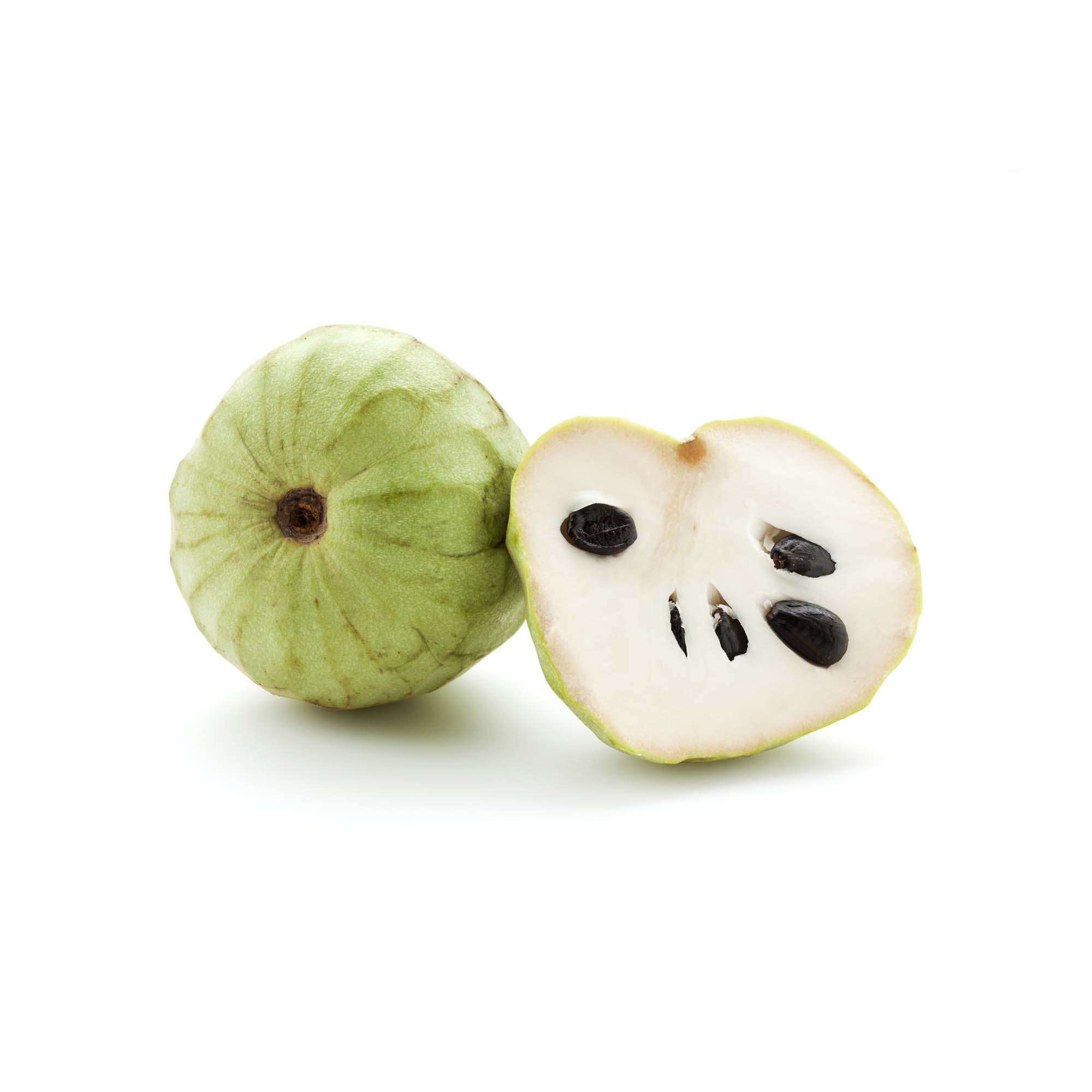
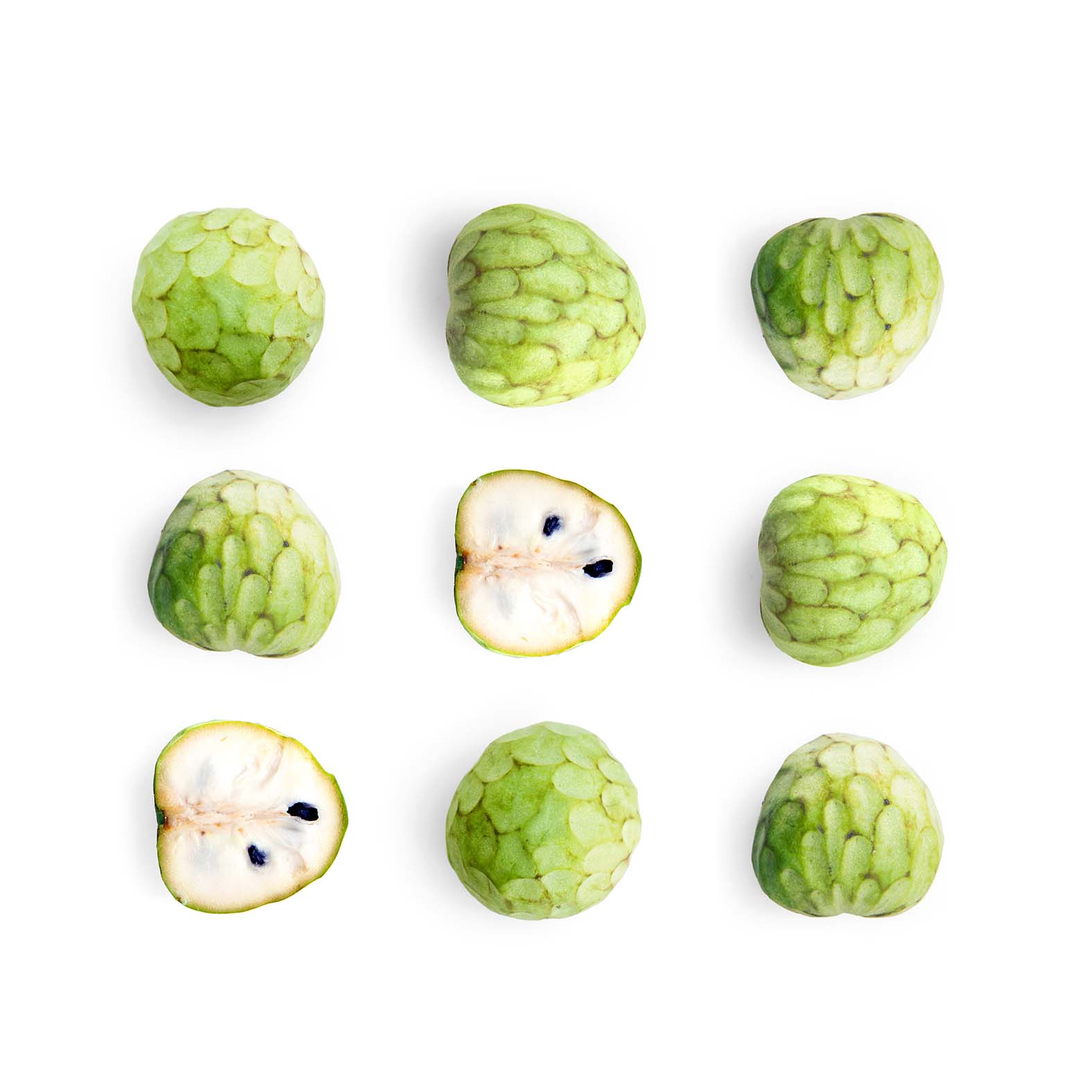
Custard apple (Annona reticulate) is a green, cone-shaped fruit with scaly skin and creamy, sweet flesh. It is believed to be originated from the Americas but it can also be found in both tropical and subtropical regions.
History
Custard apple is believed to have originated in the Andes Mountains of South America and it can grow in tropical regions with high altitudes. It is believed that Inca tribes used to culture it the Andes Mountains. It was introduced later in South Africa, India, Singapore, and Philippines.
Regions
As it is native to South America, custard apple has been introduced in many countries of South America. Mexico is the top producing country in the world followed by Brazil. Significant amounts of custard apple are also produced in Australia, USA, India, China, Africa, and Thailand.
Flavours & Texture
Custard apple has a sweet taste similar to other tropical fruits, and tastes like a creamy banana with a hint of mango. Its texture though varies depending on the cultivar and it can be from juicy and aromatic to hard with an astringent taste. Their skin and seeds are not edible.
Preparation
Cut it in half, scoop out the flesh and discard the seeds. You can eat it raw, in a fruit salad, smoothies, milkshakes, and ice creams.
Nutritional Value
Custard apple is an excellent source of fiber and it also contains high amounts of vitamin C and iron.
|
Calories per 250 g |
235 kcal |
|
Fat |
0.7 g |
|
Carbohydrate |
59 g |
|
Fiber |
11 g |
|
Protein |
5.2 g |
|
Sodium |
23 mg |
|
Potassium |
618 mg |
|
Vitamin C |
151 % of the RDI |
|
Calcium |
4.6 % of the RDI |
|
Iron |
8.3 % of the RDI |
Details & Craftsmanship
Every detail has been carefully considered to bring you the perfect product.
Description
Country of Origin - South America
Average Weight - 260 Grams
Introduction
Custard apple (Annona reticulate) is a green, cone-shaped fruit with scaly skin and creamy, sweet flesh. It is believed to be originated from the Americas but it can also be found in both tropical and subtropical regions.
History
Custard apple is believed to have originated in the Andes Mountains of South America and it can grow in tropical regions with high altitudes. It is believed that Inca tribes used to culture it the Andes Mountains. It was introduced later in South Africa, India, Singapore, and Philippines.
Regions
As it is native to South America, custard apple has been introduced in many countries of South America. Mexico is the top producing country in the world followed by Brazil. Significant amounts of custard apple are also produced in Australia, USA, India, China, Africa, and Thailand.
Flavours & Texture
Custard apple has a sweet taste similar to other tropical fruits, and tastes like a creamy banana with a hint of mango. Its texture though varies depending on the cultivar and it can be from juicy and aromatic to hard with an astringent taste. Their skin and seeds are not edible.
Preparation
Cut it in half, scoop out the flesh and discard the seeds. You can eat it raw, in a fruit salad, smoothies, milkshakes, and ice creams.
Nutritional Value
Custard apple is an excellent source of fiber and it also contains high amounts of vitamin C and iron.
|
Calories per 250 g |
235 kcal |
|
Fat |
0.7 g |
|
Carbohydrate |
59 g |
|
Fiber |
11 g |
|
Protein |
5.2 g |
|
Sodium |
23 mg |
|
Potassium |
618 mg |
|
Vitamin C |
151 % of the RDI |
|
Calcium |
4.6 % of the RDI |
|
Iron |
8.3 % of the RDI |