The Story
Country of Origin: India 🇮🇳
Class / Cat: 1 (Premium Quality)
Average Weight: 180 Grams
Introduction
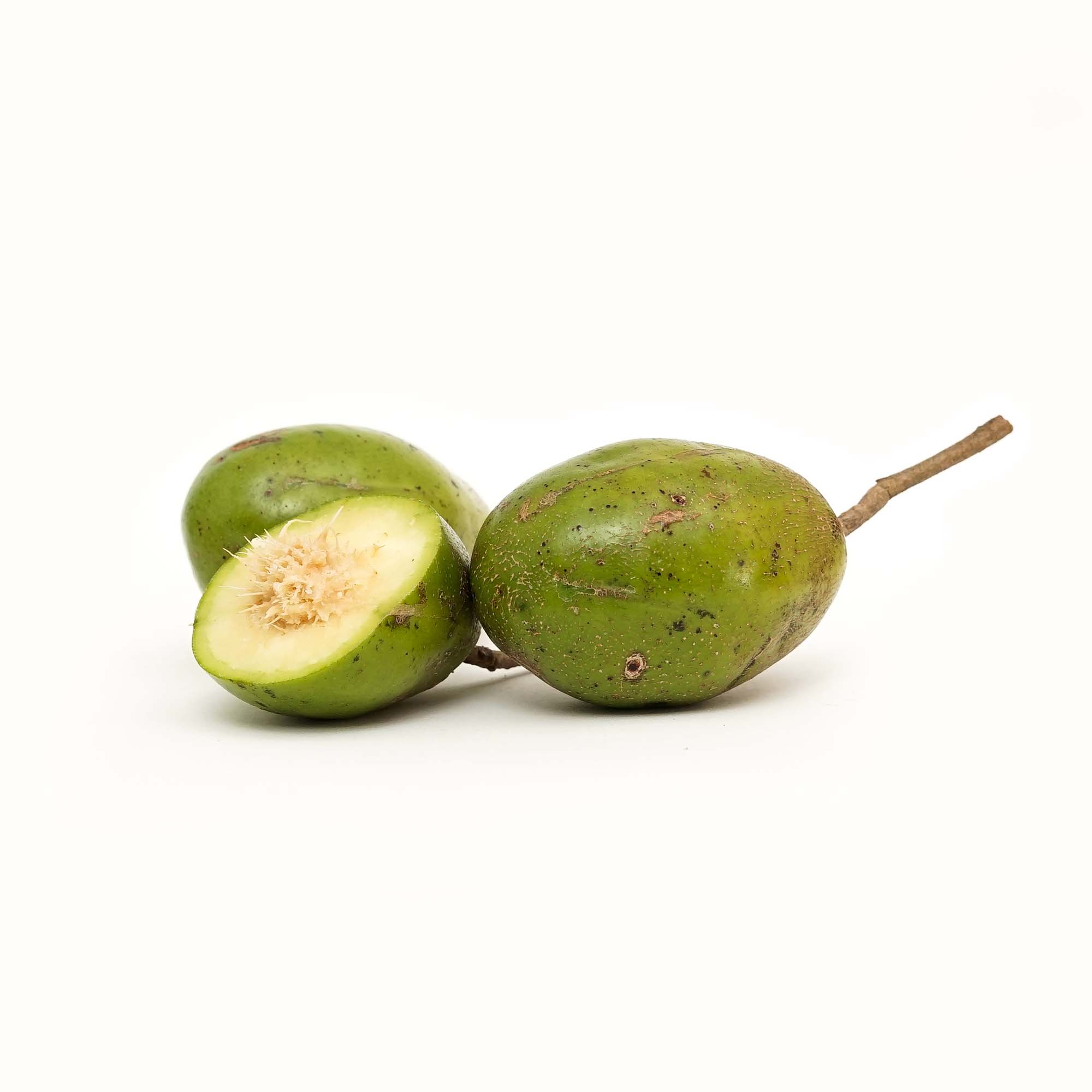
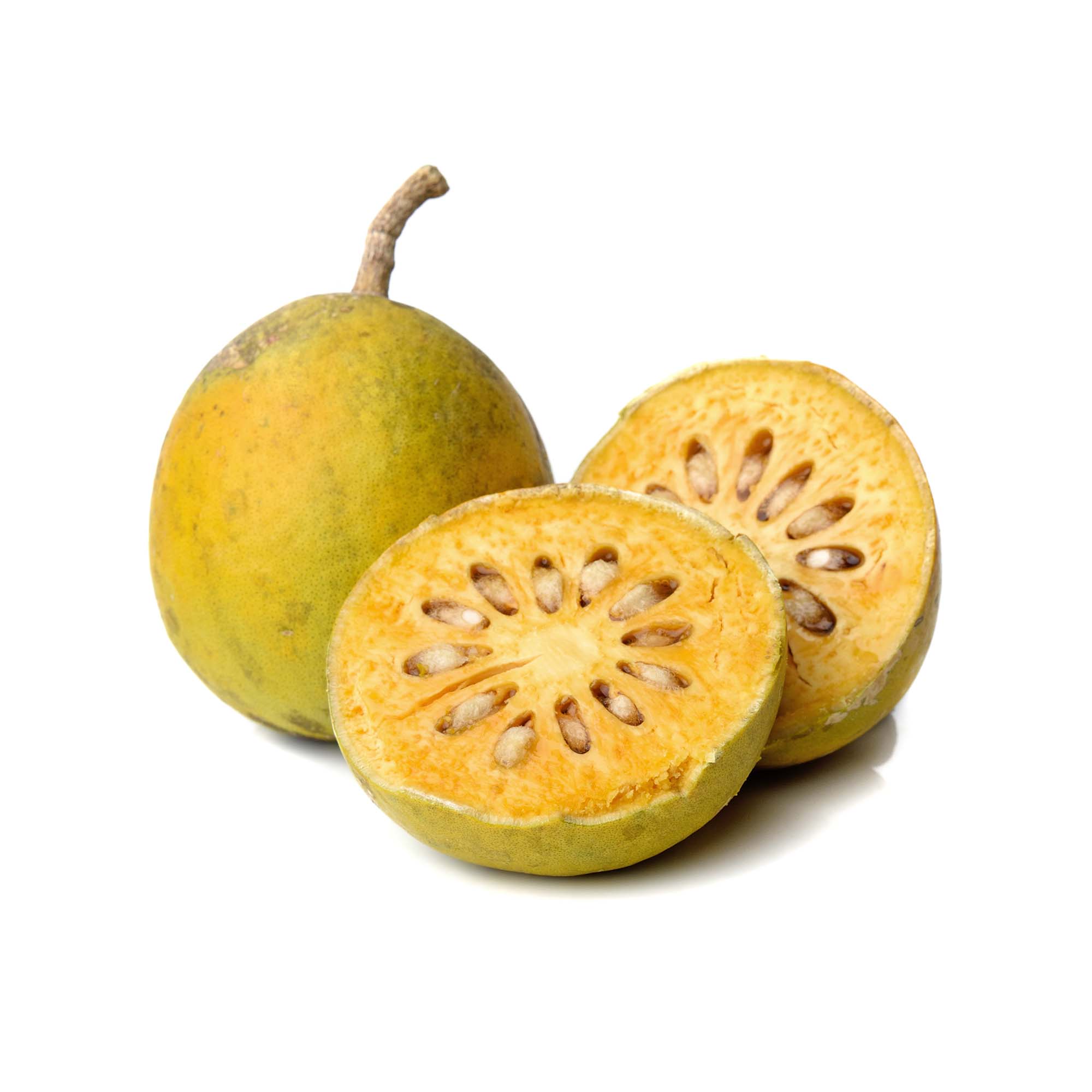
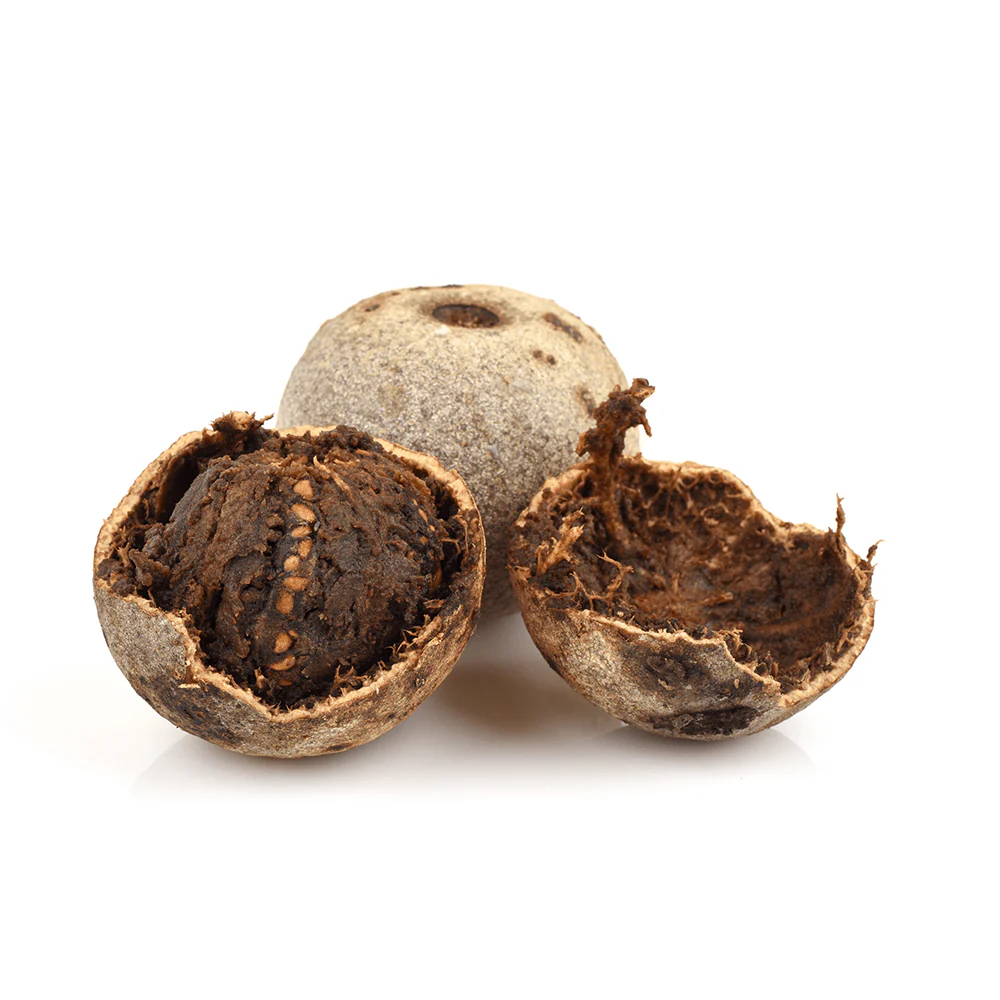
The wood apple may be ugly and stinky, but don’t judge a book by its cover! Despite its rotten-coconut appearance, the wood apple - or kodbel - is thought to have great benefits for diarrhoea, constipation, and indigestion. It’s also very popular in Indian and Sri Lankan cuisine – check out the Preparation section below to see how they use it.
History
The wood apple has been growing wildly since ancient times in various regions of Asia. We can find the very first reference of the wood apple in a text that dates back as early as 1 BC: “Hinduism: an Alphabetic Guide”.
Regions
The wood apple is thought to be native to India. It also grows in other areas of southern Asia, including Sri Lanka and Thailand.
Flavours & Texture
The pulp of a wood apple has an interestingly sour and funky taste. See the Preparation section below to find out how it can be used in tasty recipes.
Preparation
The wood apple can be eaten by using a spoon to scoop the pulp from its shell. In its native countries, the pulp of the wood apple is used in a variety of sweet and savoury dishes. In Sri Lanka, it’s often used to make wood apple juice which uses a combination of sugar, coconut milk, and strained wood apple pulp. The result is a refreshing sweet and creamy drink. It’s also used in chutneys and jams, or added to savoury dishes with warm spices.
Nutritional value
The wood apple is thought to have a number of health benefits, including boosting the immune system and treating viral or fungal infections. It’s also rich in fibre, making it great for digestion.
|
Calories per 100 g |
134 |
|
Fat |
4 |
|
Carbohydrates |
18 |
|
Fibre |
5 |
|
Protein |
7 |
Description
Country of Origin: India 🇮🇳
Class / Cat: 1 (Premium Quality)
Average Weight: 180 Grams
Introduction
The wood apple may be ugly and stinky, but don’t judge a book by its cover! Despite its rotten-coconut appearance, the wood apple - or kodbel - is thought to have great benefits for diarrhoea, constipation, and indigestion. It’s also very popular in Indian and Sri Lankan cuisine – check out the Preparation section below to see how they use it.
History
The wood apple has been growing wildly since ancient times in various regions of Asia. We can find the very first reference of the wood apple in a text that dates back as early as 1 BC: “Hinduism: an Alphabetic Guide”.
Regions
The wood apple is thought to be native to India. It also grows in other areas of southern Asia, including Sri Lanka and Thailand.
Flavours & Texture
The pulp of a wood apple has an interestingly sour and funky taste. See the Preparation section below to find out how it can be used in tasty recipes.
Preparation
The wood apple can be eaten by using a spoon to scoop the pulp from its shell. In its native countries, the pulp of the wood apple is used in a variety of sweet and savoury dishes. In Sri Lanka, it’s often used to make wood apple juice which uses a combination of sugar, coconut milk, and strained wood apple pulp. The result is a refreshing sweet and creamy drink. It’s also used in chutneys and jams, or added to savoury dishes with warm spices.
Nutritional value
The wood apple is thought to have a number of health benefits, including boosting the immune system and treating viral or fungal infections. It’s also rich in fibre, making it great for digestion.
|
Calories per 100 g |
134 |
|
Fat |
4 |
|
Carbohydrates |
18 |
|
Fibre |
5 |
|
Protein |
7 |